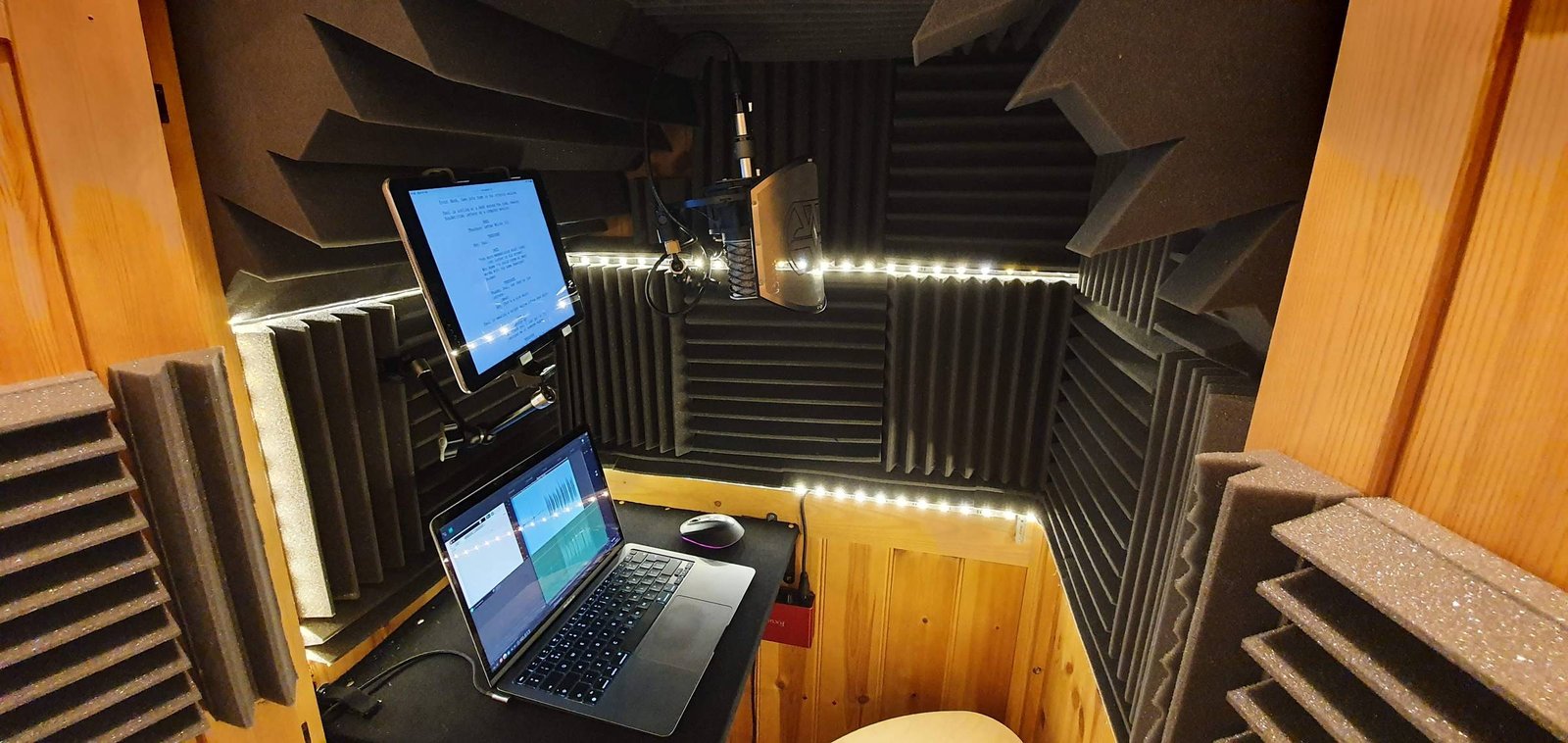
When I’m talking to another actor and I tell them my day job is narrating audiobooks from my bedroom they’ll usually say something along the lines of:
Ah, I’ve been meaning to get into that but…
and then one of the following:
i’m not technical
I can’t really afford it right now
I wouldn’t know where to bloody start.
So
in order
It looks technical. But it isn’t. A lot of it is boring with a few steps in between. Those steps quickly turn into a rhythm that becomes easy. The hardest part will be finding and setting up your booth. But you only need to do that once. After that it becomes about the performance. But you’re already far ahead in that department. Everything else is a learnable skill. A very learnable skill. The quicker you learn it, the easier it will be to lose yourself in the performance.
The cost is real. You’re investing time and money without knowing if you’ll stick with it or get any jobs. It’s a leap. When I was in the same spot, I asked myself if this was something I could see myself doing when I was 103 with no pension. The answer was yes. So I invested and committed. It’s paid me back many times over. But that’s a personal call only you can make.
Don’t know where to start? that’s what we’re doing here today – This is where you start. Right here, Right now
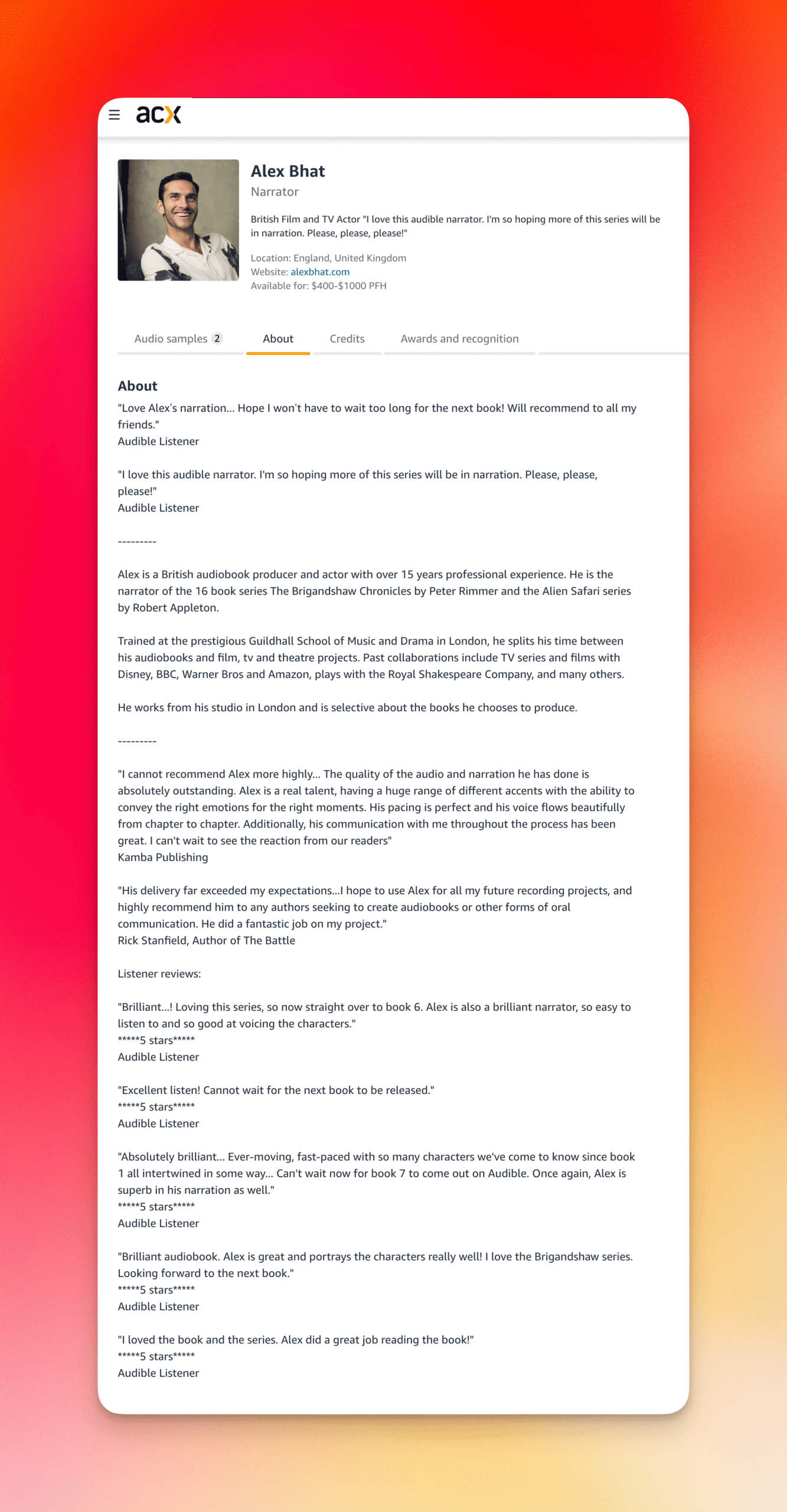
Upload your profile picture, write a bit about yourself, credits, voicereel (if you have one – not necessary right now if not).
Once it’s set up you can immediately see every live audition.
Feel free to use this as a template to help you with your profile build:
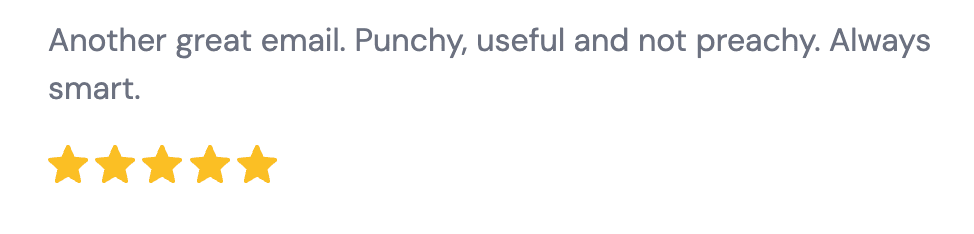
as you can see i lean medium hard on the power of testimonials
At some point ACX will ask you to do a tax interview.
It’s a US tax form.
It looks scary.
It’s just your name, address and tax ID (your UTR).
Don’t let it stop you.
Step 2: Get your gear
This is where I fell down – I overspent, I bought the wrong things, I ended up having to buy 3 mics before finding the one that worked best.
You can get everything you need for under £350.
Less if you get it on ebay.
Immediately after, I fell into a different trap – I became obsessed with optimising my set up, watching youtube for hours, getting the “right” mic for my voice type – all tactics to avoid actually getting started (scared of failing).
It took me the better part of a year before finding the gear that has served me well for almost 5 years now with no issues.
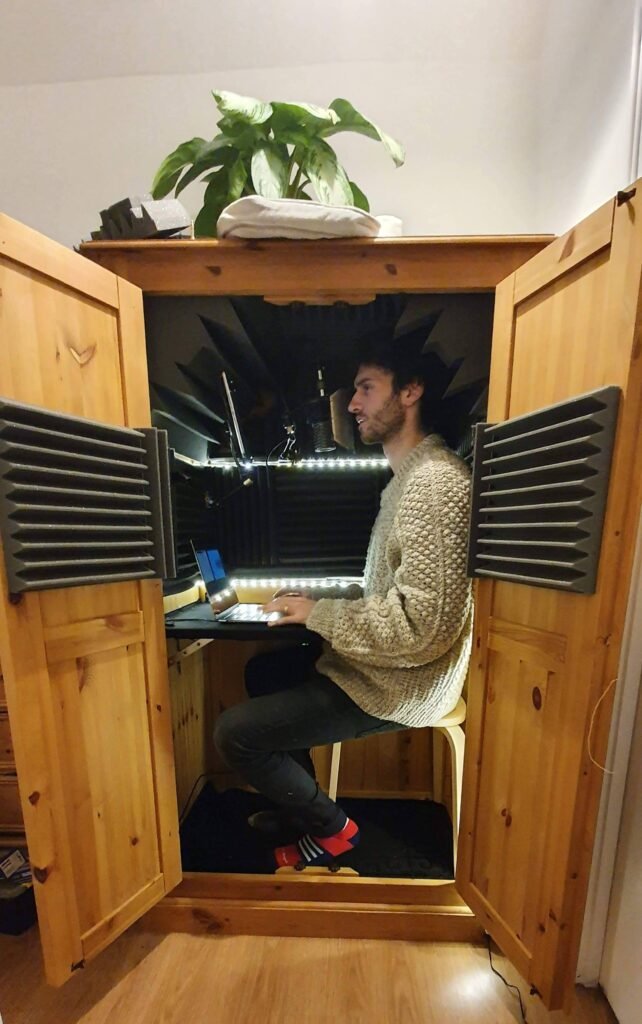
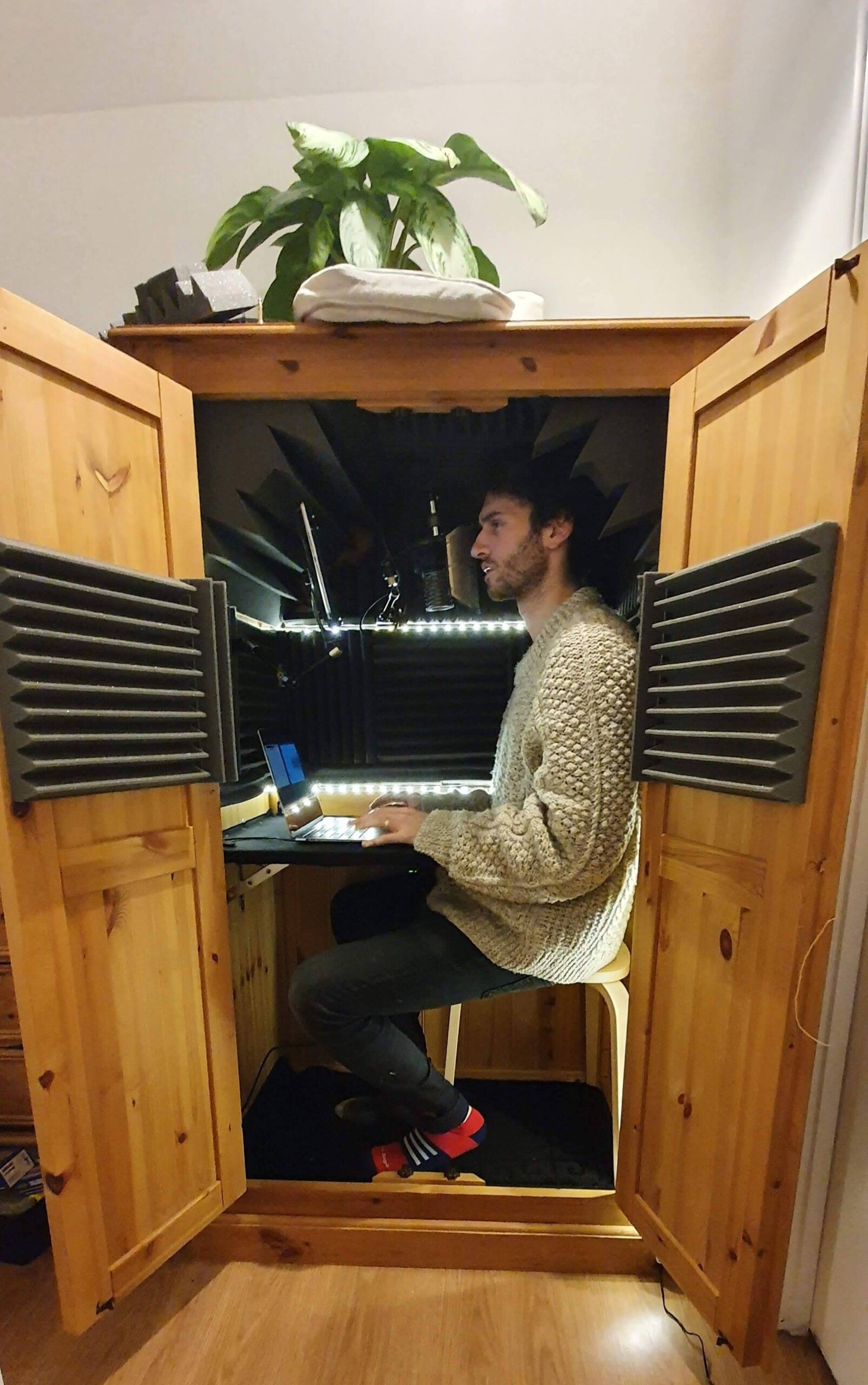
You are looking for a good place to record in your flat.
It needs to be 3 things:
It needs to sound good.
It needs to be semi (ideally fully) permanent.
It needs to be relatively comfortable.
Sounding good
Relatively free of:
Loud noises
Echoes
Funny sounds
Pro tip: Pad out your space with thick material (e.g. duvets and pillows) – the cool foam that everyone loves to buy because it looks cool, doesn’t do as much as you think it does. Use thick stuff.
Semi-permanent
When I set up my first booth it was in a hallway by the front door.
I had to dismantle it every time I finished.
Then mantle it back up when I wanted to start again.
Everywhere else in my flat suffered from the constant rumble of the 65 bus readying its (apparently jet) engine for takeoff.
The stress and anxiety of “God, I don’t know if it will work when i set it up this time” was not worth it.
And that’s not even touching having to match the sound you might have recorded yesterday.
If you can, find a space that you can set it up and leave it.
Comfortable
You need to be able to sit there (i recommend sitting) for long periods of time.
Again, if you’ve had to record under your duvet you know what it feels like when you’re speaking into a mic and not super comfortable.
It’s unsustainable. And hot and sweaty. And odd.
Good sound and permanence are the priorities but
Try to make yourself as comfortable as you can.
Where to look for a good space:
Your closets
Coat closets
A corner of your bedroom
Stand alone closets or cupboards you buy from ikea/second hand store.
Under the stairs
Cupboards
Closets.
Cupboards.
Closets.
cool, huh?
I thought so too, until i tested it and it sounded like i was recording in a swimming pool made of shite so i had to tear everything out and start from scratch. Lesson: Don’t be a butthead like me – run as far away as you can from making it look nice, just make it sound good, make it semi-permanent and relatively comfortable. Think thick materials.
You want your audition to be mistake free and easy to listen to.
When I started, mine would sound awful. Weird breaths. Odd sounds. And an embarrassing amount of mistakes all pointed to me being an unprofessional amateur. Luckily my 1st client was very forgiving.
These 2 programs would have saved me a lot of embarrassment:
Pozotron – proofreading software that checks against the text for any mistakes made when reading (there will be more than you expect).
Set up using my affiliate link and you’ll get 7hrs free proofing to experiment with:
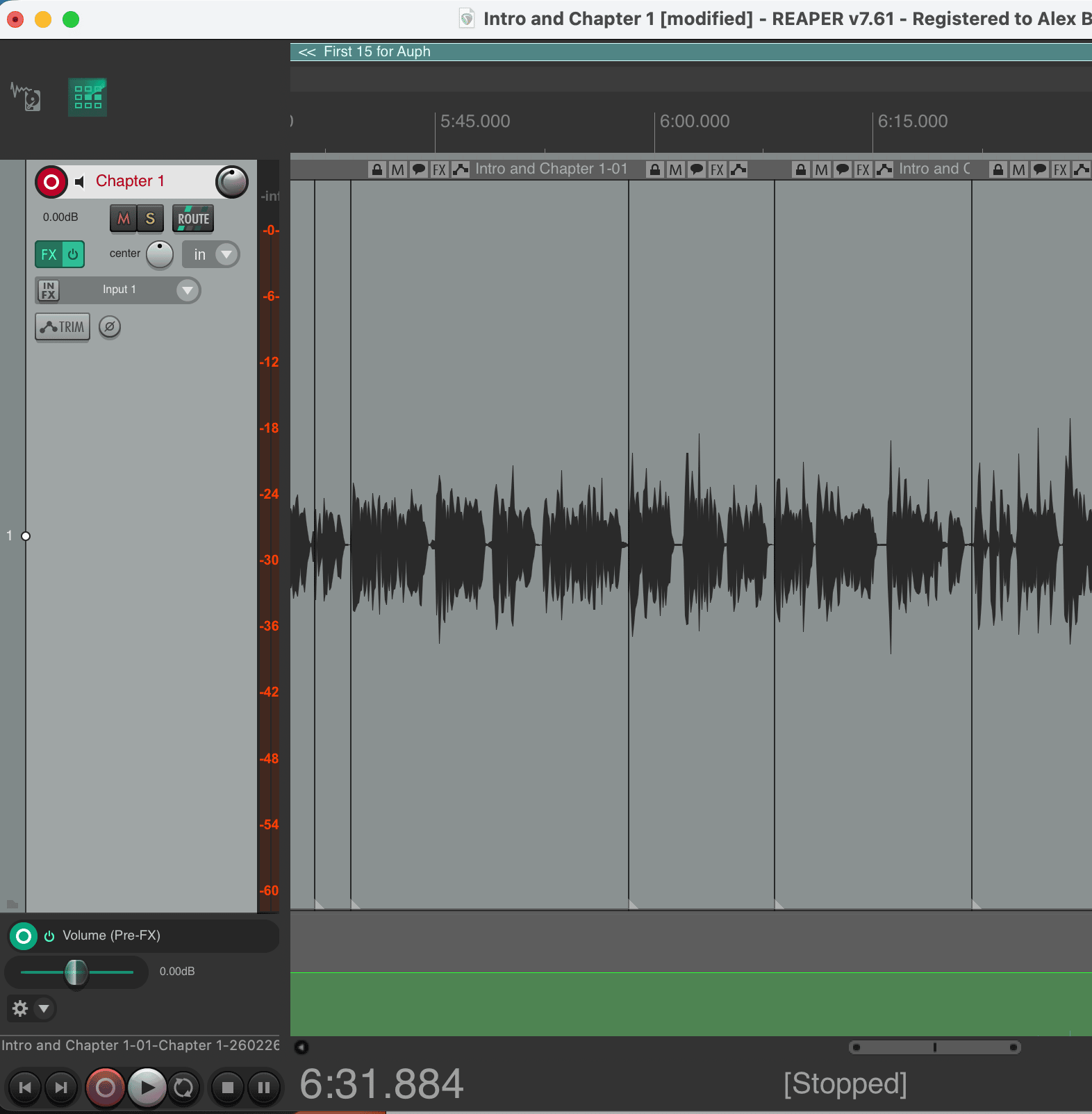
Auphonic takes out most weird breaths, mouth clicks and other weird sounds -it makes the audio listenable.
ACX have strict specifications for its audio, Auphonic will even everything out and help you hit those specs without you having to get a sound engineering degree.
They give you 2 hrs free per month (but you must cut off the watermark at the end before sending)
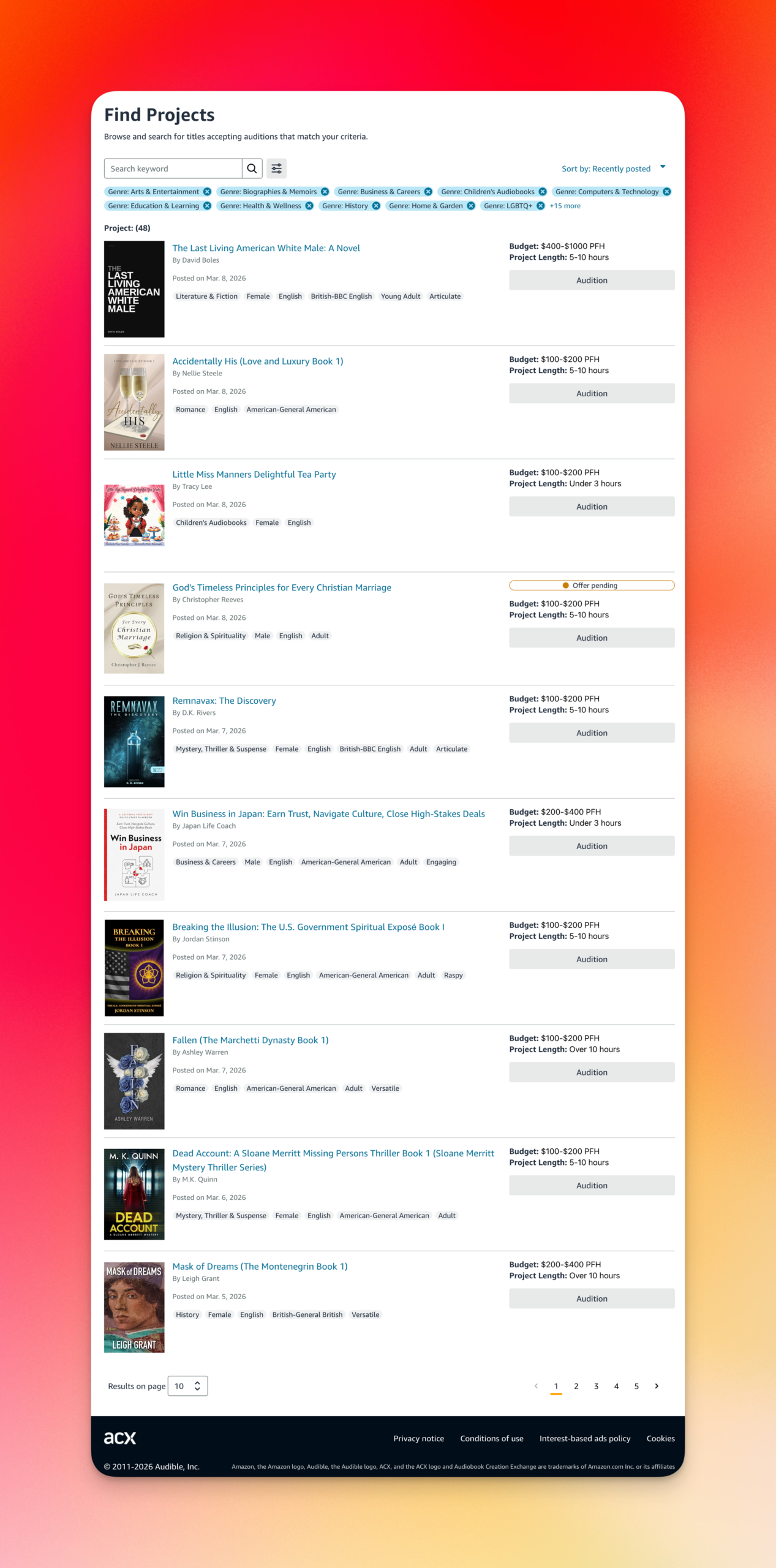
Auditions pop up everyday on ACX – it’s about figuring out which ones are good for you.
Your instinct will be to do your first audiobook for free. I want to gently encourage you not to do that.
Royalty share means they will pay you a percentage of the sale when someone buys it.
I have yet to see a good argument for Royalty Share – I am a big fan of creating work that keeps paying you, but for the most part a lot of the books that are being made at royalty share will not be bought enough to pay for your time spent creating the book. Thus you might as well be working for free.
My recommendation is to go for around $200 pfh (per finished hour).
And then negotiate a higher fee as you do more books.
yesterday’s audition page
Step 7: Submit. Repeat.
This is a numbers game.
The first one will be hard.
You may run into some “this sounds like shit” “no one’s going to hire you”, “this was a terrible idea” self talk – this is very natural, but it doesn’t mean anything. It fades away the more you do it (but never leaves)
Submitting auditions will get easier.
Treat each one like a practice run for the real thing.
Go through all the steps above. Including proofing and mastering. That way when you book it you will be ready for creating a 10hr audiobook.
It also means that what you submit will be very similar sounding to the audiobook you will make them. (Don’t audition in a pro studio knowing the audiobook won’t be made there)
The Future
Being rejected precisely 41 times by VO agents and not being able to find vo work through the conventional channels forced me to get angry and teach myself some new skills.
It was a long long learning curve.
But what it showed me was that working directly with other artists (the authors) and not having to go through 3 rounds of gatekeepers to get there, was a future i would like to encourage.
As soon as I increased my agency and self determination, I stopped feeling like i was on the back foot.
It showed me just how satisfying it is to find, negotiate, book, create, direct and deliver work
To create something from start to finish, to have full transparency over the process and to be paid properly by the end of it.
And there is something very special about working internationally from your bedroom.
Depth
For me this sort of work is the future.
It’s not perfect by any means, and there is a lot I’ve had to leave out. The deeper stuff. How to get your booth to actually sound right. How to set up Auphonic and Pozotron so they work for you. What to say to a rights holder when you submit your audition. How to make a sample that sounds like the audiobook you’re going to make. I couldn’t fit it all in here.
In April, I’m running a 4-week cohort for 5 actors who want to go from 0 – submitting their first audition. We’ll build your booth together, set you up with everything, and by the end of the 4 weeks you will have recorded, mastered and submitted your first audition and feel more than confident enough to record a full 10hr audiobook. Two sessions a week. £199.
It took me 18 months to do it alone. You’ll be ready in 4 weeks. If you want someone in the room keeping you accountable, register your interest here:
Reader Dorothy is returning back to acting – Congratulations Dorothy welcome back! 🔥
Reader Lucy managed to book some audiobooks and voiceover jobs without a VO agent – incredible work – huge well done Lucy.
Reader Iniki has a brilliant short film called The Retreat (dir. Marcus Anthony Thomas.) I highly recommend it for anyone who’s looking for some psychological horror. And just a cracking performance from Iniki.